
Practice Areas
Philadelphia Federal and State Criminal Defense Attorney
Proudly representing the accused in serious criminal cases in state and federal courts, and representing claimants in high stakes asset forfeiture cases. Browse all criminal defense practice areas for more information about the types of cases we handle.
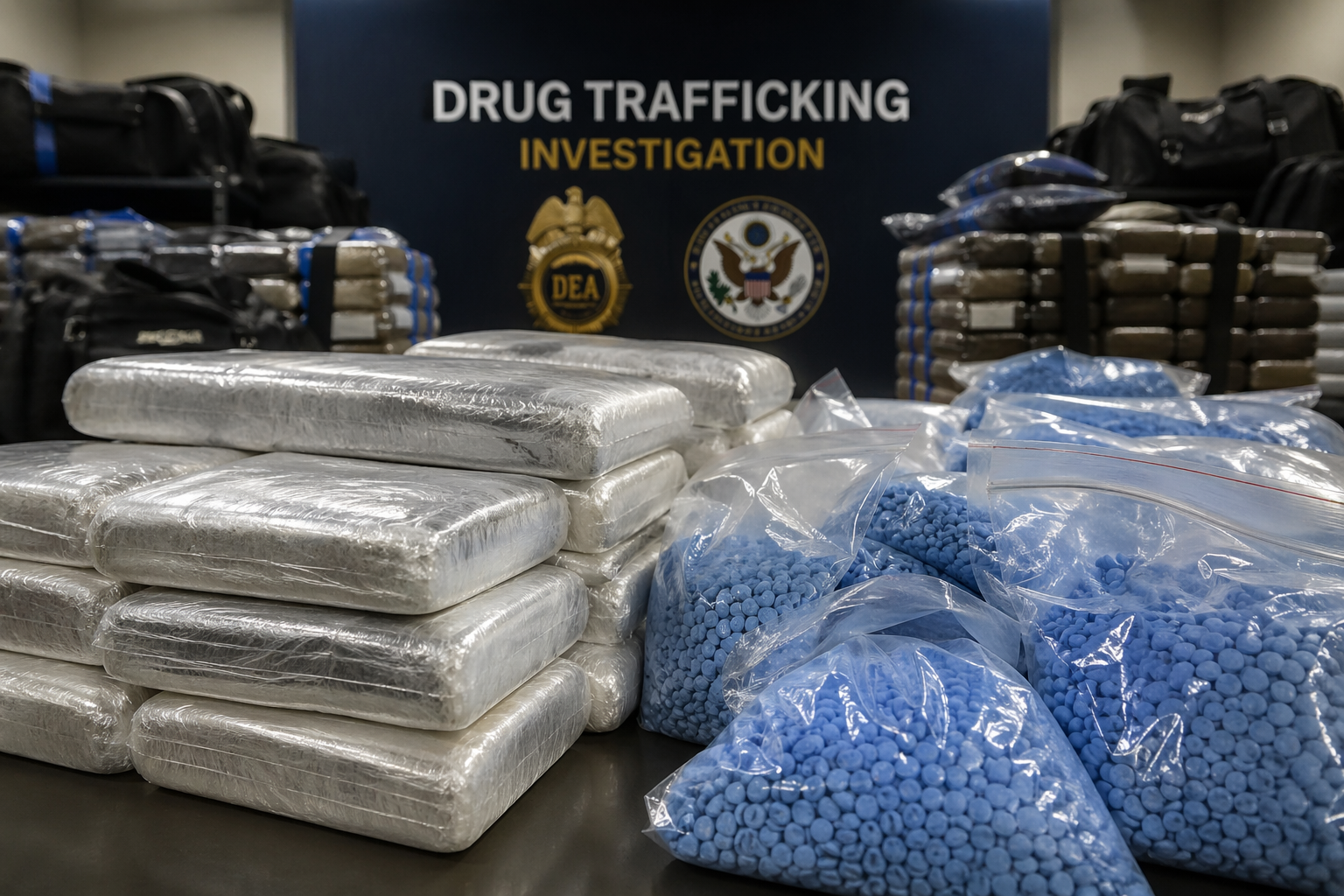
Federal criminal defense of drug trafficking charges involves protecting the accused’s constitutional rights while challenging the government’s evidence and procedures. Cases often involve complex investigations by federal agencies, use of confidential informants, wiretaps, and large-scale surveillance, all of which must comply with strict legal standards. A strong defense questions the legality of searches and seizures, credibility of witnesses, and whether the prosecution can prove intent and knowledge beyond a reasonable doubt. Defense strategies also examine sentencing exposure under federal guidelines and mandatory minimums, seeking reductions through motions, negotiations, and other means.
more info
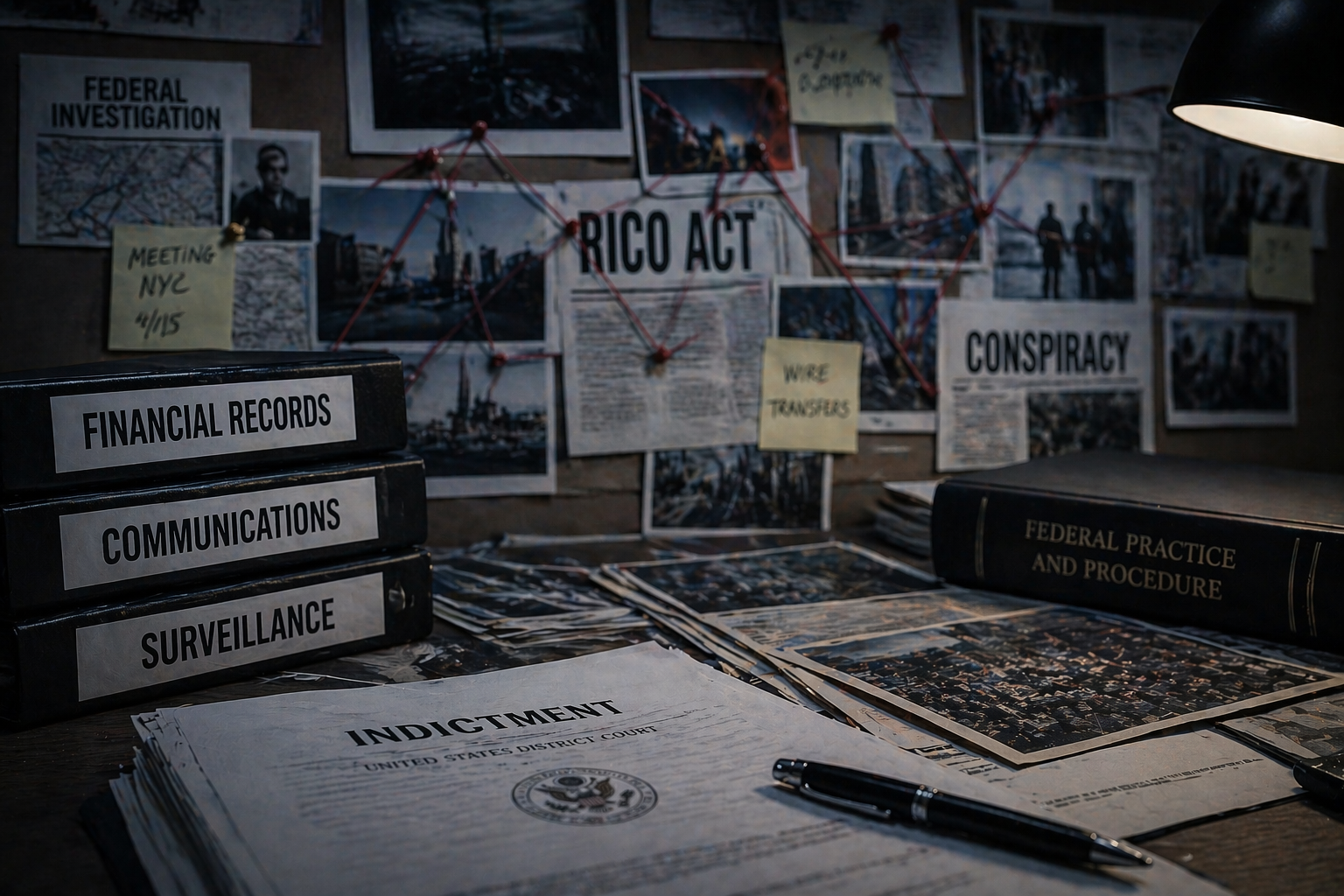
Federal criminal defense of conspiracy and RICO charges centers on challenging the government’s effort to link individuals to a broader alleged criminal enterprise. In conspiracy cases, the prosecution must prove an agreement and knowing participation, while under the Racketeer Influenced and Corrupt Organizations Act (RICO), it must also establish a pattern of racketeering activity connected to an enterprise. A strong defense scrutinizes the existence of an agreement, disputes the defendant’s knowledge or intent, and attacks the credibility of cooperating witnesses and informants. Defense counsel may also challenge the admissibility of evidence such as wiretaps, and prevent the government from including unrelated conduct.
more info

Criminal defense of murder and homicide charges focuses on challenging whether the prosecution can prove every element of the offense—such as intent, causation, and identity—beyond a reasonable doubt. Effective defense strategies examine forensic evidence, witness credibility, and investigative procedures, often challenging the reliability of confessions, eyewitness identifications, or expert testimony. Depending on the facts, defenses may include self-defense, lack of intent, mistaken identity, or mitigation that reduces the level of culpability. Counsel also works to exclude unlawfully obtained evidence and to ensure that constitutional protections are upheld at every stage of the case.
more info

An attorney handling asset recovery in state and federal forfeiture proceedings works to challenge the government’s seizure of property and secure its return to the rightful owner. These cases often arise under civil and criminal forfeiture laws, where authorities claim assets are connected to alleged illegal activity. Effective representation involves scrutinizing whether the government met its burden of proof, contesting the legality of the seizure, and asserting defenses such as the “innocent owner” claim. Counsel also navigates strict filing deadlines, negotiates with prosecutors, and, when necessary, litigates to demonstrate that the property is not subject to forfeiture or that the client’s rights were violated during the process.
more info
In both state and federal weapons cases, a criminal defense lawyer focuses on protecting the accused’s rights while challenging the government’s evidence in matters such as felon-in-possession and weapons trafficking charges. These cases often turn on whether the prosecution can prove knowing possession, interstate nexus, or intent to distribute firearms. Effective defense strategies may include disputing constructive possession, suppressing unlawfully obtained evidence, and questioning the credibility of cooperating witnesses or informants. Counsel also evaluates potential sentencing exposure, including enhancements, and pursues reductions through motions, negotiations, or trial advocacy when appropriate.
more info federal | more info state

A criminal defense attorney plays a critical role in protecting the accused’s rights in matters involving allegations such as sexual assault, rape, child exploitation, and possession or distribution of illegal materials. Cases often hinge on issues of consent, intent, identification, and digital or forensic evidence, requiring careful scrutiny of investigative methods, interviews, and search procedures. Effective defense involves challenging the admissibility and reliability of statements, electronic data, and expert testimony, as well as exposing inconsistencies. Counsel also works to ensure due process, address potential sentencing consequences, and pursue the best possible outcome through strategic motions, negotiation, or trial.
more info federal | more info state

Visit the Attorney Profile page for more information about Philadelphia criminal defense attorney Nicholas Loncar. Looking for a different kind of lawyer? If you’re charged with a minor criminal offense or have a different type of legal issue altogether, try contacting the Philadelphia Bar Association’s Lawyer Referral service. Visit the American Bar Association’s Criminal Justice Section page for important updates in the world of criminal justice.